

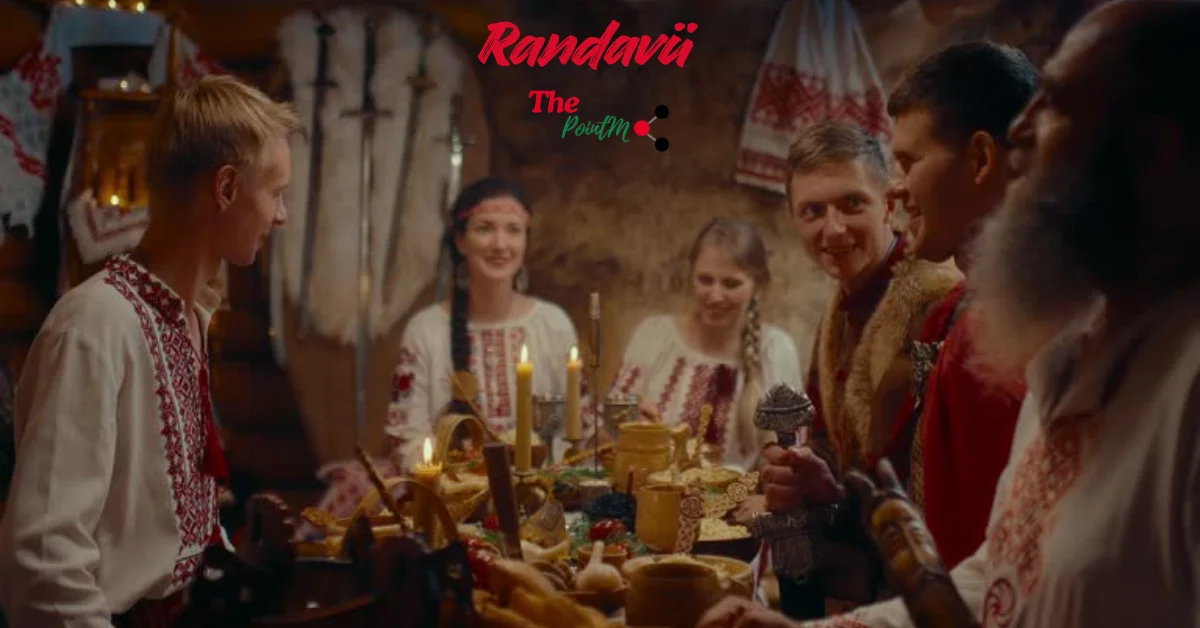
Imagine a gathering where tradition dances with innovation, creating an atmosphere that celebrates both the old and the new. Welcome to Randavü—a unique concept that brings people together in meaningful ways. Whether it’s a family reunion, a corporate event, or just a casual get-together with friends, Randavü offers something special for everyone involved. This blog post will delve into its roots and history while exploring how this fascinating idea has evolved over time. Get ready to discover how you can incorporate traditional elements into your modern gatherings and why hosting or attending a Randavü could be one of the best decisions you make!
Explaining the concept of Randavü
Randavü is more than just a gathering; it’s an experience that harmonizes tradition with modernity. The term itself evokes a sense of connection, evoking the essence of coming together in meaningful ways.
At its core, Randavü invites participants to engage deeply with one another, fostering relationships and creating memories. It’s about sharing stories, food, and laughter while honoring customs passed down through generations.
In today’s fast-paced world, Randavü serves as a refreshing reminder to pause and appreciate our roots. Each event can be uniquely tailored to reflect the cultural nuances of those attending. Whether it’s through music, dance, or culinary delights from various heritages, every detail matters.
This concept encourages creativity in how we celebrate life’s milestones—be it weddings or birthdays—allowing for personal touches that resonate with everyone involved.
The roots and history of Randavü
Randavü has deep cultural roots, tracing back to ancient communal gatherings. These events were designed for people to connect, share stories, and celebrate life’s milestones together.
Historically significant in various cultures, Randavü served as a unifying force among communities. They facilitated exchanges of ideas and traditions that enriched societal bonds.
As time passed, the essence of these gatherings evolved but retained their core values of connection and celebration. From tribal councils discussing community matters to modern-day celebrations marking personal achievements, Randavü reflects the timeless human need for interaction.
With each generation adapting it to fit contemporary needs, the spirit remains unchanged—a powerful reminder of our interconnectedness through shared experiences.
The evolution of Randavü in modern times
Randavü has transformed significantly over recent years. Once a simple gathering, it now embodies an intricate blend of tradition and modernity.
Technology plays a crucial role in these events today. Virtual invitations and social media platforms help reach wider audiences with ease. Guests can connect long before the actual event, creating anticipation.
The aesthetics have also evolved. While traditional decor remains cherished, contemporary designs often take center stage. These new styles reflect current trends while still honoring age-old customs.
Culinary offerings have expanded too. Chefs are experimenting with fusion cuisine that respects cultural roots yet introduces innovative flavors. This culinary evolution adds excitement to every Randavü gathering.
Moreover, themes have gained popularity, allowing hosts to personalize their events like never before. Each Randavü can tell a unique story through its theme, making it memorable for all attendees.
How traditional elements are incorporated into modern gatherings
Traditional elements play a vital role in contemporary gatherings, weaving nostalgia into modern experiences. From cultural rituals to heirloom recipes, these aspects add depth and meaning.
Decor often reflects regional heritage. Handcrafted centerpieces or vintage tableware evoke memories while enhancing the ambiance.
Food is another significant element. Today’s hosts blend traditional dishes with innovative twists, creating fusion menus that celebrate history while appealing to diverse palates.
Entertainment can also draw from the past. Live music featuring local folk genres or storytelling sessions create an immersive experience that honors culture.
Invitations might incorporate classic designs alongside digital formats, bridging old-world charm with modern convenience. Each detail serves as a reminder of roots and shared experiences.
When thoughtfully integrated, these elements transform any gathering into a rich tapestry of tradition and innovation.
Examples of successful Randavü events
Randavü events have taken on various forms, showcasing creativity and cultural depth. For instance, a community art festival held in a historic town square blended local artists with traditional crafts. Attendees explored stalls while enjoying live performances that celebrated regional heritage.
Another notable example is an annual food gathering where chefs reinterpret classic recipes using modern techniques. Guests sample dishes inspired by family traditions, bridging generations through flavor and storytelling.
Corporate Randavü gatherings have also gained traction. Companies host team-building retreats that incorporate workshops on local customs. This fosters collaboration while instilling respect for diverse backgrounds.
A recent wedding showcased the beauty of Randavü by blending cultures in its ceremony and reception. Traditional attire from both families adorned guests as they danced to music reflecting their shared history.
These examples illustrate how Randavü keeps evolving yet remains rooted in tradition, creating memorable experiences for all involved.
Benefits of hosting or attending a Randavü
Hosting or attending a Randavü offers a unique opportunity to connect with others in meaningful ways. The blend of tradition and innovation fosters an environment where people feel at ease.
For hosts, it’s a chance to showcase their culture while creating memorable experiences. Thoughtful planning can turn ordinary gatherings into extraordinary celebrations that leave lasting impressions on guests.
Attendees benefit from the rich tapestry of interactions. They get to experience diverse perspectives while enjoying traditional elements that bring warmth and familiarity.
Randavü events often spark creativity and inspiration among participants. Networking occurs naturally, allowing for new friendships and professional connections to blossom.
Additionally, these gatherings promote community spirit, bringing people together for shared enjoyment. The sense of belonging is powerful, making each event significant in its own right. Such moments are what transform casual meetings into cherished memories.
Tips for planning a memorable Randavü gathering
Start by choosing a meaningful theme that reflects the essence of Randavü. Consider local traditions or family stories that can spark conversations and connections among guests.
Next, pay attention to the guest list. Invite people who share interests or backgrounds but also encourage diversity for enriching discussions.
Create an inviting atmosphere with decorations that blend traditional elements like handmade crafts with modern aesthetics. This fusion will set the tone for your gathering.
Food plays a crucial role in any Randavü event. Incorporate cultural dishes alongside contemporary favorites to cater to varied tastes while honoring heritage.
Don’t forget activities! Plan interactive sessions such as storytelling, music performances, or workshops where attendees can participate and bond over shared experiences.
Ensure you capture memories through photos or videos during the event. These tangible keepsakes will remind everyone of the special moments spent together long after they part ways.
Future predictions for the popularity and impact of Randavü
As society becomes more interconnected, the appeal of Randavü is expected to soar. People crave authentic experiences that blend tradition with modernity. This gathering style offers exactly that.
In an age where digital interactions often overshadow face-to-face connections, Randavü provides a refreshing escape. It encourages real conversations and meaningful relationships, tapping into our innate desire for community.
Technology will play a crucial role in shaping future Randavü events. Virtual reality and augmented elements might enhance gatherings, making them even more interactive while preserving their traditional essence.
With the rise of sustainability awareness, eco-friendly practices will likely become integral to Randavü planning. Hosts may prioritize local ingredients and sustainable decor to resonate with attendees who value environmental responsibility.
Expect collaborations across cultures as well. Diverse traditions merging in Randavü gatherings can create unique celebrations that reflect global unity and shared values.
Conclusion
Randavü is more than just a gathering; it’s an experience that bridges the gap between tradition and modernity. As we explore its roots, history, and evolution, it becomes clear how deeply this concept resonates with people today. The incorporation of traditional elements into contemporary events adds depth and meaning to each gathering.
Successful Randavü events showcase the beauty of this blend—whether through cultural performances, artisanal food offerings, or community-driven activities. The benefits for both hosts and attendees are numerous: connection, inspiration, and leaving with cherished memories.
Planning a Randavü can be an enjoyable endeavor when you take time to focus on what matters most—the connections made during these gatherings. With thoughtful preparation and creativity, anyone can create an unforgettable event.
Looking ahead, the popularity of Randavü seems poised to grow even further. As society continues to seek meaningful interactions amidst digital distractions, gatherings rooted in shared experiences will likely gain prominence.
The essence of Randavü lies in its ability to adapt while honoring traditions—making every encounter rich with significance. Embracing this fusion encourages us all to celebrate our heritage while welcoming innovation in social connectivity.