

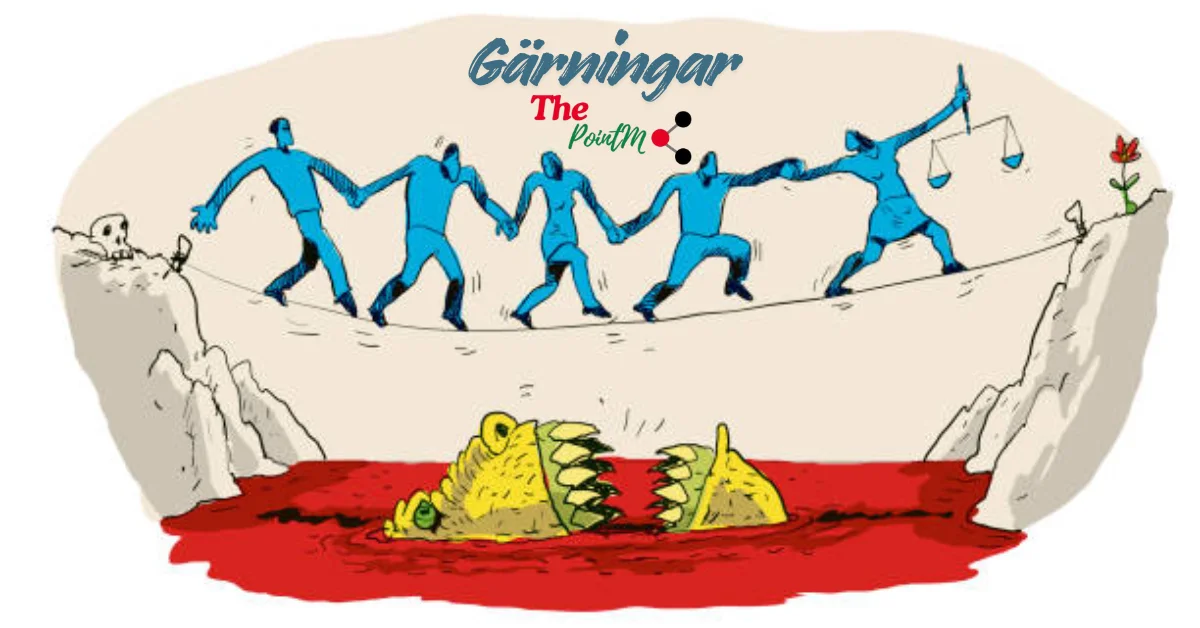
Introduction to Gärningar and its Meaning
Every moment of our lives, we are faced with choices that shape who we are and define the world around us. These choices, or gärningar, carry significant weight in both personal development and cultural expression. In a fast-paced society where technology often overshadows genuine human connection, understanding the essence of gärningar becomes crucial. They can uplift communities or tear them apart; they can inspire change or perpetuate stagnation. As we explore the power of these actions across cultures and their impact on society, one thing is clear: gärningar hold a moral compass that guides humanity towards greater understanding and harmony. Let’s dive into this fascinating topic together!
The Importance of Human Actions in Cultures
Human actions are the heartbeat of culture. They shape traditions, beliefs, and social norms. Each action tells a story that resonates across generations.
In every society, gestures like kindness or dishonesty ripple through communities. These acts forge connections among people and define their shared values. For instance, communal gatherings celebrate collective achievements while reinforcing bonds.
Cultural practices often revolve around specific actions—rituals for rites of passage or celebrations like weddings highlight what is cherished in that society. Through these performances, individuals express identity and heritage.
Moreover, human actions can challenge existing cultural narratives. Movements advocating for change arise when individuals stand against injustice or inequality. Such instances reveal how powerful simple deeds can be in shaping societal trajectories.
Every small act contributes to a larger tapestry of human existence—a blend of individual choices and collective experiences forming the essence of culture itself.
How Gärningar Shapes Society and Individuals
Gärningar, or actions, play a vital role in molding both society and the individual. Each decision we make reverberates through our communities. Positive gärningar can inspire change, fostering unity and cooperation.
On an individual level, these actions shape personal identity and self-perception. Engaging in meaningful gärningar often leads to a sense of fulfillment and purpose. People find that their contributions matter, reinforcing their values.
Moreover, societal norms are influenced by collective gärningar. When groups commit to shared goals—like environmental sustainability—they create ripples that encourage wider participation.
Conversely, negative actions can fracture communities and breed distrust. This duality highlights the power inherent in every choice we make each day.
In essence, understanding the impact of gärningar encourages us to be more intentional with our decisions. It pushes us toward greater mindfulness about how we interact with one another and the world around us.
Examples of Gärningar in Different Cultures
Around the world, gärningar manifest in diverse and fascinating ways. In Japan, the concept of “wa” emphasizes harmony and community. Acts of kindness often revolve around maintaining group cohesion.
In contrast, many Indigenous cultures celebrate communal sharing as a form of respect towards nature. Gärningar here are deeply tied to ancestral traditions and rituals that honor the earth.
Meanwhile, in Western societies, individual achievements can stand out as significant gärningar. Philanthropic efforts by individuals or organizations showcase how personal actions can lead to societal change.
In Africa, storytelling serves as a powerful medium for expressing moral lessons through deeds. Oral traditions highlight noteworthy gärningar that inspire future generations.
Each culture brings its unique flavor to human actions, enriching our collective understanding of morality and responsibility across different societies.
The Influence of Technology on Gärningar
Technology has transformed the way we express our gärningar. Social media platforms allow actions to reach a global audience instantly, amplifying their impact.
With just a click, an act of kindness can inspire thousands. Conversely, negative deeds can spread like wildfire, influencing public perception and behavior.
Digital tools also enable people to participate in social movements from anywhere. Activism takes on new forms as online campaigns mobilize communities around shared values.
However, technology introduces complexities. The anonymity it provides can lead some individuals to engage in harmful gärningar without facing immediate consequences.
As we navigate this digital landscape, it’s essential to reflect on how our online actions align with our personal morals and cultural values. Balancing these influences is key as society evolves alongside technological advancements.
Balancing Personal and Cultural Morals through Gärningar
Navigating the intersection of personal and cultural morals can be complex. Gärningar plays a significant role in this balancing act.
On one hand, individual beliefs shape our actions daily. We often rely on personal experiences to guide us. On the other hand, cultural norms provide a framework for acceptable behavior within society.
Finding harmony between these two forces is essential for growth. When we align our gärningar with both personal values and community standards, we foster understanding and respect.
This balance encourages dialogue among diverse groups. It opens doors to empathy and shared solutions. Each action becomes an opportunity to reflect societal values while staying true to oneself.
Recognizing the power of gärningar allows individuals to contribute positively or challenge existing norms when necessary. By doing so, they enrich their cultures without losing their unique identities.
Conclusion: Embracing the Power of Gärningar for a Better Society
Gärningar hold a profound significance in shaping our world. They are not just actions; they are expressions of our values, beliefs, and cultures. Understanding their moral weight can lead to deeper connections among individuals and communities.
As we navigate the complexities of modern life, it becomes essential to embrace the power of gärningar. Each action we take resonates beyond ourselves—impacting those around us and influencing societal norms. By recognizing this interconnectedness, we foster empathy and understanding.
Incorporating technology into these interactions can amplify our efforts or complicate them depending on how we choose to utilize it. Striking a balance between personal morals and cultural expectations is crucial as societies evolve.
Embracing gärningar means acknowledging their potential for positive change. Through thoughtful actions rooted in compassion and awareness, we have the ability to contribute meaningfully to society’s fabric—creating a better future for all.