

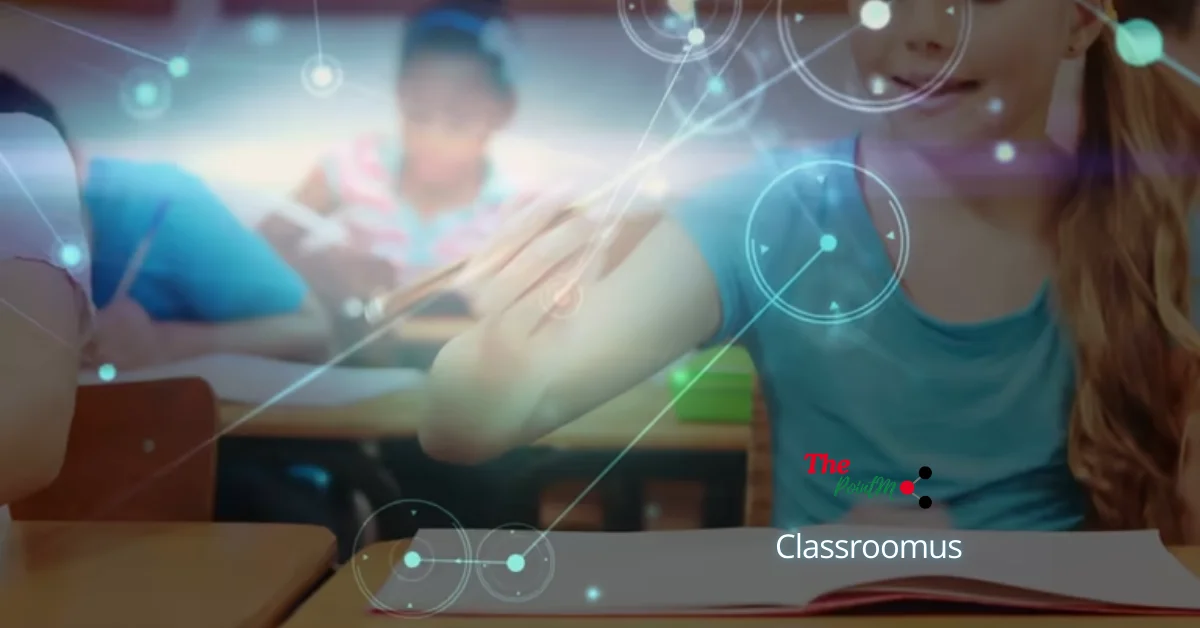
Introduction to Classroomus and its Mission
Welcome to the future of education, where learning is no longer confined to dusty textbooks and rigid classrooms. Enter Classroomus an innovative platform designed to revolutionize how students engage with knowledge. With a mission to make learning interactive and enjoyable, Classroomus harnesses the power of technology to inspire creativity and critical thinking in learners of all ages.
Imagine a world where lessons come alive through collaboration, multimedia resources, and real-time feedback. This isn’t just wishful thinking; it’s happening now thanks to Classroomus. As we dive deeper into the realm of interactive learning, you’ll discover how this approach not only enhances student engagement but also prepares them for success in an ever-evolving landscape. Join us on this journey as we explore what sets Classroomus apart from traditional methods and why it’s becoming essential for today’s learners!
Traditional Learning vs. Interactive Learning
Traditional learning often involves lectures and rote memorization. Students sit passively, absorbing information without much engagement. The focus is largely on standard textbooks and exams.
In contrast, interactive learning emphasizes participation. It invites students to collaborate and explore concepts actively. This approach fosters analytical thinking and the ability to solve problems effectively.
Interactive environments may include discussions, group projects, or hands-on activities that foster deeper understanding. When students are involved in their education, they tend to retain knowledge more effectively.
Moreover, technology plays a vital role in this shift toward interactivity. Tools like online platforms can facilitate real-time feedback and collaboration among peers, making the learning experience richer.
This evolution in teaching methods reflects our changing world where adaptability is key to success. Engaging with material rather than merely consuming it prepares students for future challenges better than traditional approaches ever could.
Benefits of Interactive Learning for Students
Interactive learning transforms the educational experience for students. By engaging with material actively, learners retain information more effectively.
This method caters to varied learning styles. Visual, auditory, and kinesthetic learners all find pathways that resonate with them. Each student can discover what works best in a supportive environment.
Collaboration is another key benefit. Group activities foster communication skills and encourage teamwork. Students learn to respect different perspectives while working towards common goals.
Additionally, interactive learning boosts motivation. Gamified elements or hands-on projects spark curiosity and make lessons memorable. This excitement often leads to deeper exploration of subjects beyond the classroom.
Critical thinking skills also thrive in interactive settings. Students are encouraged to question assumptions and explore solutions creatively rather than relying solely on rote memorization. The result is a generation of innovative thinkers ready for future challenges in an ever-evolving world.
How Classroomus Utilizes Technology in Education
Classroomus leverages cutting-edge technology to transform the educational landscape. By integrating interactive tools, it creates an engaging learning environment that captivates students.
Virtual classrooms allow for real-time collaboration. Students can participate from anywhere, making education accessible and inclusive. This flexibility extends beyond geographical boundaries.
The platform employs gamified learning experiences. By incorporating game mechanics into lessons, Classroomus boosts motivation and retention rates among learners.
Adaptive assessments are another key feature. These tailor quizzes and assignments based on individual performance, ensuring personalized feedback and support.
Moreover, Classroomus utilizes data analytics to track progress effectively. Teachers can pinpoint students’ challenging areas and modify their instructional methods to address them effectively.
Innovative tech is at the core of Classroomus’ mission to enhance student engagement and achievement through meaningful interactions in education.
Real-life Examples of Successful Implementation
Classroomus has transformed the educational landscape in various schools across the globe. In a middle school in California, teachers integrated Classroomus into their science curriculum. Students engaged with interactive simulations that brought complex concepts to life. The result? Improved understanding and retention of material.
In another instance, an urban high school utilized Classroomus for history lessons. By encouraging collaborative projects through its platform, students explored historical events more deeply. They produced presentations that showcased diverse perspectives.
A district in New York adopted Classroomus for remote learning during the pandemic. Utilizing its tools, educators maintained student engagement despite physical distances. Interactive quizzes and group discussions fostered a sense of community among learners.
These examples highlight how Classroomus is not just a tool but a catalyst for change in education, making learning relevant and engaging for today’s students.
Addressing Potential Challenges and Concerns
As with any innovative approach, Classroomus faces potential challenges. One concern is the digital divide. Not every student has equal access to technology or reliable internet connections, which can hinder participation.
Another issue is teacher training. Educators must be equipped to use interactive tools effectively. Without proper support and resources, they might struggle to implement these methodologies in their classrooms.
Additionally, some parents and educators may worry about screen time and its impact on students’ health. Balancing technology use with traditional methods can create a more holistic educational experience.
Adapting curricula for interactive learning requires ongoing collaboration among stakeholders—teachers, administrators, and tech developers alike. Open communication will be key to addressing concerns as they arise while ensuring that the focus remains on enhancing student engagement and success.
Future Plans for Classroomus and the Impact on Education
Classroomus is poised to revolutionize educational landscapes, with ambitious plans on the horizon. By continuously integrating advanced technologies like AI and VR, Classroomus aims to create even more engaging learning experiences.
Future developments include personalized learning paths that adapt in real-time to each student’s needs. This approach ensures that learners progress at their own pace while receiving tailored support.
Moreover, Classroomus intends to foster global collaborations among classrooms around the world. Students can connect and collaborate with peers from different cultures, broadening their perspectives and enriching discussions.
Another exciting prospect involves gamifying education further. Interactive elements will not only make learning fun but also enhance retention and application of knowledge.
These innovations signal a shift towards an immersive educational future where technology plays a central role in fostering creativity and critical thinking among students. The potential impact is immense as educators embrace this transformative journey together with Classroomus.
Conclusion
Classroomus is revolutionizing the way we view education. By embracing interactive learning, it addresses the needs of today’s students, who thrive on engagement and collaboration. Traditional methods are giving way to a more dynamic approach that fosters critical thinking and creativity.
The benefits of interactive learning extend far beyond mere engagement; they include improved retention rates and enhanced problem-solving skills. Classroomus leverages technology to create immersive experiences, ensuring every student has access to quality education tailored to their individual needs.
Real-life examples showcase how this innovative platform is already making strides in various educational settings. Schools adopting Classroomus have reported increased participation and enthusiasm among students. While challenges exist such as ensuring equitable access to technology—the proactive measures taken by Classroomus demonstrate a commitment to overcoming these obstacles.
Looking ahead, Classroomus aims not only to expand its reach but also to continue evolving with emerging technologies in education. The impact on future generations could be profound, shaping learners into informed citizens equipped for tomorrow’s challenges.
As educators seek new ways to connect with their students, platforms like Classroomus will play an essential role in transforming traditional classrooms into collaborative hubs of knowledge sharing and discovery. This shift marks just the beginning of an exciting journey towards a brighter educational future.