

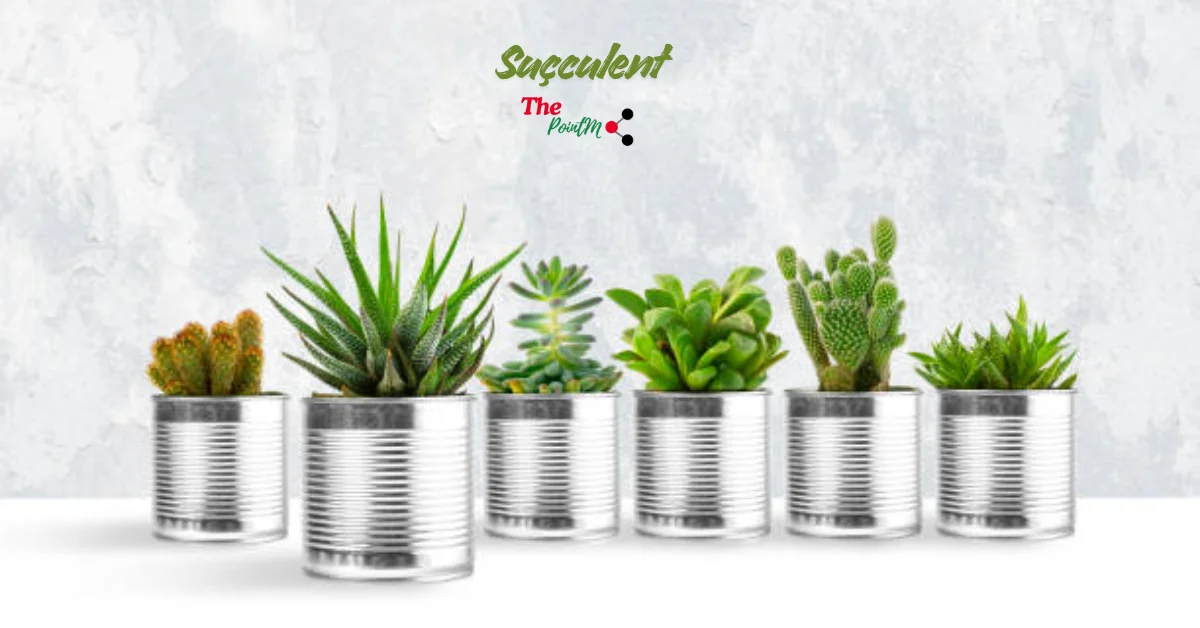
Introduction to Suçculent
Suçculent are more than just trendy houseplants; they are nature’s little miracles. With their plump leaves and vibrant colors, these fascinating plants have captured the hearts of gardeners and plant enthusiasts alike. But what truly sets them apart is their remarkable ability to conserve water in some of the harshest environments on Earth. Whether you’re a seasoned gardener or a first-time plant parent, understanding the secrets behind succulents can deepen your appreciation for these resilient beauties. Join us as we explore how succulents thrive in arid conditions and discover why incorporating them into your home or garden can be a sustainable choice that benefits both you and the environment!
The Adaptations of Suçculent for Water Conservation
Suçculent are nature’s little water hoarders. Their thick, fleshy leaves store moisture, allowing them to thrive in arid environments. This adaptation is essential for survival where rainfall is scarce.
Another remarkable feature is their waxy coating. Known as the cuticle, this layer minimizes evaporation. It acts like a shield against the harsh sun and wind, protecting precious water reserves.
Certain Suçculent use a unique photosynthesis process known as CAM (Crassulacean Acid Metabolism), opening their stomata at night rather than during the day to minimize water loss while allowing gas exchange.
Root structures also play a crucial role in their water-saving strategies. Some build shallow roots to quickly absorb any available moisture after rain, while others develop deep taproots that reach underground reservoirs.
Together, these adaptations showcase how succulents are perfectly designed for life in challenging climates.
Types of Succulents and their Unique Water-Saving Strategies
Succulents come in many shapes and sizes, each with its own fascinating water-saving strategies. For example, the agave stores moisture within its thick leaves, allowing it to thrive in arid environments.
The Echeveria is another standout. With its rosette shape, it can trap dew and minimize water loss through transpiration. This clever adaptation helps it survive even during dry spells.
Then there are the jade plants, known for their plump leaves that act as natural reservoirs. They not only look beautiful but also efficiently store water for when it’s needed most.
Cacti are perhaps the most famous succulents. Their spines reduce surface area, minimizing evaporation while providing shade to their inner tissues. These adaptations make them remarkably resilient under harsh sunlight.
Each type of succulent showcases nature’s ingenuity in conserving precious resources like water, making them both practical and eye-catching additions to any space.
Caring for Succulents: Tips and Tricks
Caring for succulents is a rewarding experience. These resilient plants thrive with minimal attention, making them perfect for busy lifestyles.
Begin with appropriate soil a well-draining cactus or Suçculent mix is ideal, as it stops water from accumulating around roots and prevents rot.
Watering needs vary by species and season. Generally, it’s best to let the soil dry out completely between waterings. During winter months, most succulents require even less moisture.
Lighting is essential Suçculent thrive in bright, indirect sunlight. Excessive direct sun can burn leaves, while insufficient light may hinder growth.
Don’t forget about fertilizing! A diluted succulent fertilizer during the growing season gives your plants an extra boost without overwhelming them.
Watch for pests such as mealybugs or aphids. Regular inspections help detect and address infestations before they cause serious damage.
Benefits of Growing Suçculent in your Home or Garden
Growing Suçculent adds a unique touch to any home or garden. Their diverse shapes and vibrant colors can instantly elevate your space. Whether placed on a windowsill or in an outdoor arrangement, these plants create visual interest.
One of the standout benefits is their low maintenance nature. Succulents thrive with minimal watering, making them perfect for busy individuals or those new to gardening. This resilience allows you to enjoy greenery without stress.
Moreover, they improve indoor air quality by filtering toxins and releasing oxygen. A few pots around your living area can contribute positively to your well-being.
Succulents also encourage mindfulness and relaxation. Caring for these plants becomes a simple yet fulfilling ritual that connects you with nature.
Additionally, propagating succulents is easy and rewarding. You can create new plants from cuttings, enriching your collection while sharing gifts with friends and family.
Sustainability and Environmental Impact of Suçculent Cultivation
Suçculent cultivation plays a vital role in promoting sustainability. These hardy plants are champions of water conservation, making them ideal for arid environments and drought-prone areas. By incorporating succulents into gardens, you reduce the need for excessive irrigation.
Moreover, many succulent varieties require minimal maintenance. This means fewer resources devoted to fertilizers and pesticides, lessening their environmental footprint. As natural air purifiers, they contribute positively to indoor air quality.
The rise in popularity of succulents also encourages eco-friendly gardening practices. Many enthusiasts propagate these plants from cuttings rather than purchasing new ones, aiding in plant preservation efforts.
Cultivating succulents can help restore native ecosystems as well. Their resilience allows them to thrive in harsh conditions while providing habitats for various wildlife. In fostering biodiversity through succulent variety, gardeners support local flora and fauna effectively.
Conclusion
Suçculent are not just beautiful additions to your home or garden; they also embody a remarkable ability to thrive in harsh conditions with minimal water. Their unique adaptations make them masters of survival, showcasing the wonders of nature’s design. With a bit of knowledge and care, anyone can cultivate these resilient plants.
Whether you choose vibrant Echeveria or striking Aloe Vera, you’ll find that each succulent has its own fascinating way of conserving moisture. Proper care will ensure they flourish while adding charm to your surroundings.
As more people embrace sustainability, growing succulents offers an eco-friendly option for both gardening enthusiasts and beginners alike. These drought-resistant plants not only reduce water consumption but also contribute positively to their environments.
The journey into the world of succulents is rewarding and enriching. Each plant tells a story of resilience and beauty that invites appreciation from all who encounter them. Consider incorporating these captivating species into your life and experience firsthand the benefits they bring—both aesthetically and environmentally.