

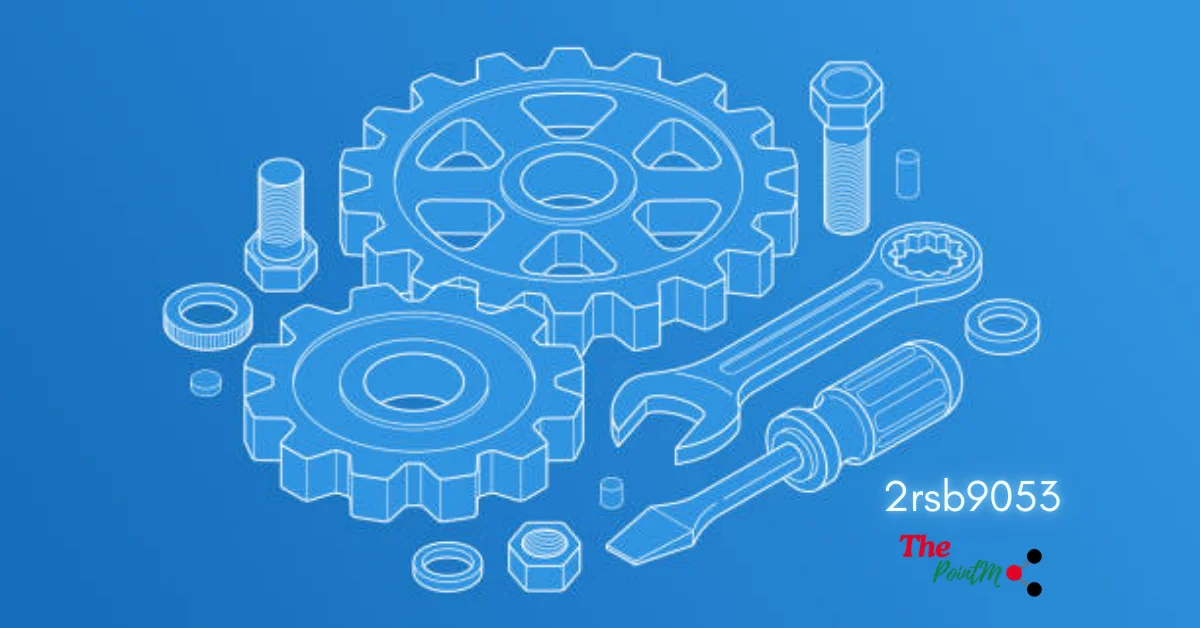
Introduction to Mechanical Components
Mechanical components are the unsung heroes of countless machines and devices that power our modern world. From the simplest toys to complex machinery, these components ensure everything runs smoothly. Whether you’re a DIY enthusiast or an engineering professional, understanding mechanical parts is essential for anyone working with machinery.
In this guide, we’ll explore various types of mechanical components like fasteners, bearings, gears, and springs—each playing a vital role in ensuring efficiency and functionality. We will also dive into factors you should consider when selecting these components and share best practices for their maintenance.
With technology rapidly evolving, staying informed about top brands and manufacturers is crucial. We’ll even look ahead at exciting advancements shaping the future of mechanical design. If you’ve ever encountered the term 2rsb9053 in your search for quality mechanical parts or simply want to broaden your knowledge on this subject matter, you’re in the right place!
Types of Mechanical Components
Mechanical components are essential building blocks in various machines and systems. They play critical roles in ensuring efficiency and functionality.
Fasteners, such as bolts and screws, secure parts together. Their reliability is crucial for the structural integrity of any assembly.
Bearings reduce friction between moving parts. They allow for smoother operation in machinery like motors and conveyors.
Gears transfer motion and torque from one part to another. Their design influences speed, force, and direction within mechanical systems.
Springs store energy when compressed or stretched. These versatile components provide tension or compression needed for numerous applications, including automotive suspensions or precision instruments.
Each type serves a specific function but works harmoniously with others to create efficient mechanisms across industries.
A. Fasteners
Fasteners are essential mechanical components that hold parts together. They are available in different forms and dimensions, with each tailored for a particular use.
Bolts and screws are among the most common types of fasteners. Bolts often require a nut to secure them, while screws can tap directly into materials. This distinction makes them suitable for different tasks.
Nuts and washers complement these hardware pieces by distributing load evenly and preventing loosening due to vibrations. Selecting the right type ensures durability and strength in assemblies.
Specialty fasteners like rivets or anchors serve niche purposes, providing permanent solutions where traditional methods might fail. Understanding their properties can significantly enhance project outcomes.
Material choice also plays a pivotal role; stainless steel offers corrosion resistance, while plastic serves lightweight needs without sacrificing performance. Knowing when to use which type is vital for any successful mechanical assembly.
B. Bearings
Different types of bearings exist, including ball bearings, roller bearings, and needle bearings. Each type caters to specific load requirements and operational conditions.
Ball bearings are versatile and commonly used due to their ability to handle both radial and axial loads. Roller bearings excel under heavy loads but may require more space.
Proper selection is crucial for optimal performance. The right bearing ensures longevity while minimizing wear on surrounding components.
When it comes to applications, these mechanical wonders can be found in everything from electric motors to automotive systems. Their design impacts not only functionality but also energy consumption across various industries.
C. Gears
Gears play a pivotal role in mechanical systems. They transfer motion and torque between components, translating rotational power effectively.
These essential elements come in various shapes and sizes, each designed for specific functions. For example, spur gears are commonly used for their simplicity and efficiency in transferring motion along parallel axes.
Bevel gears allow for the change of axis direction, making them ideal for applications where space is limited. Meanwhile, worm gears excel at providing high torque reduction with minimal backlash.
Material selection also affects gear performance. Steel offers durability while plastic gears can reduce noise levels significantly. Each choice impacts longevity and effectiveness under different loads.
With advancements like 3D printing, custom gear designs have become more accessible than ever. This innovation opens new possibilities for tailored solutions across industries ranging from automotive to robotics.
D. Springs
Springs are fascinating mechanical components used to store energy and absorb shock. They play a vital role in countless applications, from automotive suspensions to household appliances.
There are several types of springs, including compression, tension, and torsion springs. Each type serves a specific purpose based on the forces they need to counteract or apply. Compression springs push back against external forces when compressed. Tension springs do the opposite by pulling apart when stretched.
Materials matter too. Common options include steel, stainless steel, and plastic composites. The choice affects durability and performance under varying conditions.
When designing with springs in mind, consider factors such as load capacity and environmental exposure. Proper selection ensures optimal functionality over time without failure.
Maintenance is crucial for longevity—regular inspections help identify wear before it leads to issues down the line. Whether in machinery or everyday items, understanding spring dynamics can enhance efficiency significantly.
Factors to Consider When Choosing Mechanical Components
Choosing the right mechanical components is crucial for optimal performance. One of the primary factors to consider is compatibility with existing systems. Ensure that any new component aligns well with your machinery or equipment.
Material selection also plays a significant role. Different materials offer varying levels of strength, durability, and resistance to environmental factors like heat and corrosion.
Cost-effectiveness shouldn’t be overlooked either. While it may be tempting to choose cheaper options, investing in higher-quality components often leads to lower maintenance costs over time.
Furthermore, think about load requirements. Each application demands specific load capacities; selecting components that can handle these loads efficiently ensures longevity and safety.
Always check manufacturer reputation and reliability. Established brands often provide better warranties and customer support, which can save you headaches down the line.
Best Practices for Maintenance and Replacement
Regular maintenance is crucial for the longevity of mechanical components. Schedule routine inspections to catch wear and tear early. This proactive approach can save time and money down the line.
Always follow manufacturer guidelines when replacing parts. Using incorrect specifications can lead to inefficiencies or even damage other components.
Keep detailed records of replacements and repairs. This history helps identify patterns, guiding future maintenance decisions.
Cleaning is equally important; dirt and debris can significantly impact performance. Use appropriate cleaning agents based on component materials, ensuring no residue remains that could cause corrosion or wear.
Education plays a key role too. Train your team on best practices for handling and maintaining these components to minimize mistakes during operations.
Investing in quality tools for both replacement and repair will ensure precision work every time you handle mechanical parts like 2rsb9053.
Top Brands and Manufacturers of Mechanical Components
When it comes to mechanical components, choosing the right brand can make a significant difference in performance and reliability. Some top manufacturers have established themselves as leaders in the industry.
Companies like SKF are renowned for their high-quality bearings. Their precision engineering ensures longevity and durability in various applications.
Another standout is Fastenal, known for its vast array of fasteners. They provide solutions that cater to diverse industries, ensuring you find exactly what you need.
For gears, look no further than Parker Hannifin. Their innovative designs optimize power transmission while minimizing wear and tear.
Don’t overlook Bosch Rexroth either; they excel in producing springs that offer outstanding resilience under pressure. With such reputable brands at your disposal, selecting mechanical components becomes much easier.
Common Applications of Mechanical Components
Mechanical components play a vital role in various industries. They are essential for ensuring the smooth operation of machinery and equipment.
In automotive applications, fasteners secure critical parts while bearings reduce friction in engines. Gears work together to control speed and torque, enhancing vehicle performance.
Manufacturing plants rely on springs for tension and compression tasks. These components help maintain pressure in hydraulic systems, enabling efficient operations.
Robotics is another field where mechanical components shine. Precision gears and lightweight materials improve movement accuracy, making robotic arms more effective in assembly lines.
Aerospace also benefits significantly from engineered parts like bearings that endure extreme conditions while providing reliability. Each application showcases how integral these components are across diverse sectors, driving innovation and productivity.
The Future of Mechanical Components: Advancements and Innovations
The future of mechanical components is bright and full of possibilities. With rapid advancements in technology, we are witnessing a transformation in design and functionality.
Smart materials are emerging as game-changers. These adaptable substances can respond to environmental changes, enhancing efficiency and performance.
3D printing is revolutionizing manufacturing processes. It allows for the creation of complex geometries that were previously unattainable, reducing waste and lead times significantly.
Digital twins—a virtual representation of physical systems—are becoming commonplace. They enable real-time monitoring and predictive maintenance, ensuring optimal operation without unexpected failures.
Sustainability also plays a key role moving forward. Eco-friendly materials are being developed to reduce environmental impact while maintaining high standards of durability.
As industries evolve, so do the demands on mechanical components. Innovations will continue to reshape how machines operate across various sectors.
Conclusion
Mechanical components play a crucial role in various industries, influencing the efficiency and performance of machinery. Understanding the different types—such as fasteners, bearings, gears, and springs is essential for anyone involved in manufacturing or engineering.
When selecting mechanical components like 2rsb9053, it’s vital to consider factors such as material compatibility and load requirements. Regular maintenance can significantly extend the lifespan of these parts while ensuring optimal functionality.
Leading brands offer a range of high-quality options tailored to diverse applications. As technology progresses, innovations continue to enhance component design and durability.
The future looks promising with advancements that will likely change how we use mechanical components across fields. Embracing these changes will lead to improved productivity and reliability in projects moving forward.