

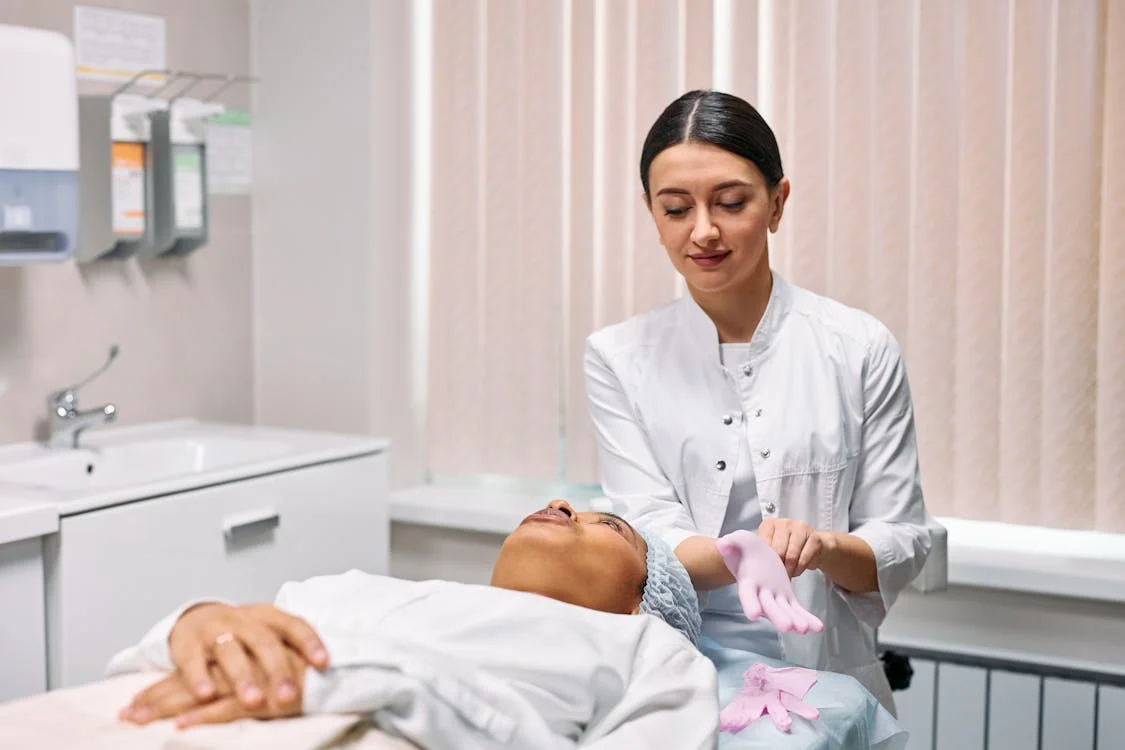
Aesthetic and reconstructive care has changed a lot over the past decade. What was once seen as something purely cosmetic or optional is now often approached as part of overall well-being. Today, many people explore these options not to chase perfection, but to feel more comfortable in their own bodies, restore function after injury or illness, or address changes that affect confidence and quality of life.
Modern care focuses less on dramatic transformations and more on natural-looking results, safety, and personalization. Patients are more informed than ever and tend to ask thoughtful questions about procedures, recovery, and long-term outcomes. At the same time, medical advancements have made many treatments safer, more precise, and easier to recover from than in the past.
Understanding how aesthetic and reconstructive care works today can help you make better decisions. When you know what to expect and what matters most in modern treatment, you’re more likely to feel confident moving forward.
The Role of Medical Expertise in Today’s Aesthetic Care
One of the biggest shifts in modern aesthetic and reconstructive care is the emphasis on medical expertise. These procedures are no longer viewed as isolated cosmetic services. Instead, they’re treated as medical decisions that require proper evaluation, clear communication, and professional oversight.
Clinics that follow this approach focus on patient safety first. They start with thorough consultations, discuss goals honestly, and make sure each person understands both the benefits and limitations of a procedure. This kind of care is designed to support long-term satisfaction rather than quick fixes.
For example, places like FusionMD Cosmetic Surgery follow a medically guided model that blends aesthetic goals with reconstructive expertise. Their approach centers on patient education, personalized treatment planning, and careful attention to safety and outcomes. By focusing on both form and function, clinics like this help patients explore options that align with their health, comfort, and expectations rather than pushing one-size-fits-all solutions.
When medical expertise leads the process, you’re more likely to receive care that feels thoughtful, ethical, and tailored to your needs.
Personalized Treatment Plans Matter More Than Ever
Modern aesthetic and reconstructive care places a strong emphasis on personalization. No two people have the same anatomy, health history, or goals, so effective treatment plans are built around the individual rather than a standard template.
During consultations, providers take time to understand what you’re hoping to achieve and why. They consider factors like age, lifestyle, medical background, and recovery preferences. This helps ensure that recommendations make sense for you, not just in the short term, but over time.
Personalized care also means clear communication. You’re encouraged to ask questions, share concerns, and participate actively in decisions. This collaborative approach builds trust and helps set realistic expectations, which is a key part of feeling satisfied with your results.
How Technology Has Improved Care and Recovery
Advances in medical technology have played a major role in shaping modern care. Many procedures today use refined techniques that focus on precision and reduced disruption to surrounding tissue. This often leads to shorter recovery times and more predictable outcomes.
Minimally invasive options have expanded, giving patients alternatives that weren’t widely available in the past. While not every situation calls for these approaches, having more options allows providers to recommend treatments that better match your comfort level and goals.
Technology also supports better planning and assessment. Detailed imaging, improved surgical tools, and modern safety protocols all contribute to a more controlled and patient-focused experience.
Reconstructive Care as Part of Healing and Restoration
Reconstructive care plays an important role in modern medical practice because it focuses on restoring both function and comfort, not just appearance. These procedures are often used to address changes caused by injury, medical conditions, or previous surgeries that may affect how your body works or feels day to day. In many cases, reconstructive care helps improve mobility, reduce discomfort, or correct structural issues that interfere with everyday activities.
What makes today’s approach different is the understanding that healing goes beyond physical recovery. Feeling at ease with your appearance can have a meaningful impact on confidence, emotional health, and overall quality of life, especially after a difficult or life-changing experience. Modern providers recognize this connection and approach reconstructive care with sensitivity, taking time to listen, explain options clearly, and support patients throughout the process.
In many cases, aesthetic and reconstructive goals overlap. Today’s approach respects that connection and treats patients as whole individuals rather than focusing on a single outcome.
Modern approaches to aesthetic and reconstructive care are built on safety, personalization, and medical expertise. Today’s patients are encouraged to be informed, involved, and thoughtful when exploring their options.
When care is guided by clear communication and professional standards, it becomes less about appearance alone and more about confidence, comfort, and well-being. By understanding how modern care works and what to look for in a provider, you put yourself in a stronger position to make decisions that feel right for you, now and in the future.