

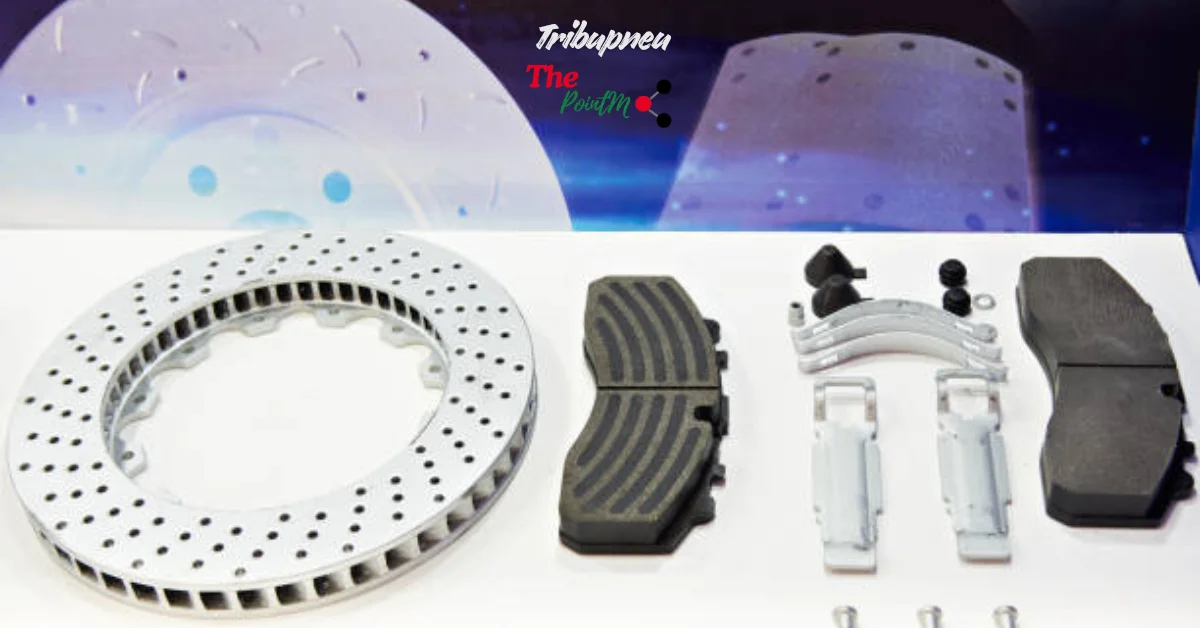
Introduction to Tribupneu
In a world where efficiency reigns supreme, the demand for innovative solutions to enhance performance is ever-growing. Enter Tribupneu, a game-changing technology that promises to minimize friction and maximize results across various industries. Imagine a system designed not just to function but to excel—reducing wear and tear while improving energy efficiency. Whether you’re in manufacturing, transportation, or any sector reliant on machinery, the benefits of adopting Tribupneu could redefine your operational capabilities. Let’s dive into what makes this remarkable technology stand out in today’s fast-paced landscape.
The Science Behind Tribupneu’s Technology
Tribupneu harnesses cutting-edge materials science to revolutionize friction reduction. At its core, the technology utilizes advanced polymers that create a unique surface interaction. This minimizes contact between moving parts and significantly reduces wear.
The molecular structure of these materials is designed for optimal elasticity and strength. When applied in various environments, they maintain performance under pressure while absorbing vibrations that could lead to inefficiencies.
Moreover, Tribupneu’s system incorporates smart engineering principles. It aligns with kinetic energy flows to optimize motion dynamics. This means less energy is wasted as heat or noise—transforming how machines operate.
Testing has shown marked improvements in efficiency across multiple applications—from automotive engines to industrial machinery. The focus on science ensures every component works seamlessly together, pushing the boundaries of what’s possible in friction management technology.
Benefits of Using Tribupneu in Various Industries
Tribupneu offers significant advantages across multiple industries. In manufacturing, it enhances machinery efficiency by reducing wear and tear, leading to longer equipment life. This translates into fewer breakdowns and lower maintenance costs.
In the automotive sector, Tribupneu improves fuel efficiency. Less friction means better performance, allowing vehicles to operate smoothly while consuming less energy.
The aerospace industry benefits from lighter components that maximize flight performance. With reduced drag on moving parts, aircraft can achieve increased altitude and speed with optimal safety.
Moreover, in renewable energy applications such as wind turbines, Tribupneu technology minimizes resistance. This boosts energy output while prolonging the lifespan of critical components.
Each application showcases how this innovative solution transforms operations by enhancing productivity and sustainability without compromising quality or safety standards.
Customer Testimonials and Success Stories
Customers across various industries are singing the praises of Tribupneu. Many have reported significant reductions in friction, leading to improved efficiency and lower operational costs.
One manufacturing company shared that after implementing Tribupneu technology, their machinery experienced a 30% decrease in energy consumption. This change not only boosted productivity but also extended equipment lifespan.
In the automotive sector, engineers noted remarkable improvements in vehicle performance. Reduced friction translated into better fuel efficiency and smoother rides for consumers.
Another client from the food processing industry highlighted how cleaner operations led to enhanced product quality. With less wear and tear on equipment, maintenance needs dropped significantly.
These success stories showcase how Tribupneu transforms operations, proving its value across diverse applications. The positive feedback reflects a growing trend toward smarter solutions in reducing friction and enhancing performance.
How to Implement Tribupneu in Your Business
Implementing Tribupneu in your business starts with assessing your current systems. Identify areas where friction impacts performance, efficiency, and costs.
Next, engage with a Tribupneu consultant. They can provide tailored insights into how the technology integrates with your specific operations. This collaboration ensures a smooth transition.
Training employees is crucial for successful implementation. Offer workshops that focus on maximally utilizing the benefits of Tribupneu’s technology.
Once you’ve integrated it into your systems, monitor performance closely. Analyze key metrics to measure improvements and adjust strategies as needed.
Consider starting small with pilot projects before full-scale deployment. This allows you to refine processes without disrupting overall productivity.
Regular feedback loops from team members will help optimize usage further and keep everyone aligned on goals related to reducing friction and enhancing output.
Comparing Tribupneu to Other Friction-Reducing Technologies
In the realm of friction-reducing solutions, Tribupneu distinguishes itself from the competition. Conventional lubricants degrade rapidly and need constant reapplication, resulting in higher maintenance expenses and equipment downtime.
In contrast, Tribupneu utilizes advanced materials and innovative engineering to create a long-lasting solution. Its unique design minimizes contact between moving parts, significantly reducing wear over time.
Additionally, while some friction-reducing options rely heavily on chemical additives, Tribupneu’s technology focuses on mechanical efficiency. This not only enhances performance but also aligns with environmentally-friendly practices by minimizing reliance on hazardous substances.
Competitors may offer temporary solutions that seem cost-effective initially. However, the durability of Tribupneu leads to significant savings in the long run through reduced maintenance frequencies and extended equipment lifespan. The choice becomes clearer when considering both immediate needs and future investments in machinery efficiency.
Expanding the Reach of Tribupneu and Future Developments
The potential of Tribupneu extends far beyond its current applications. As industries evolve, the need for innovative solutions to reduce friction is growing.
Recent developments are focusing on expanding this technology into new sectors like renewable energy and aerospace. These fields demand efficiency at every turn, making Tribupneu a prime candidate.
Research teams are exploring advanced materials that can enhance performance even further. This could lead to breakthroughs in durability and application versatility.
Collaborations with tech startups are also underway. By integrating cutting-edge software, Tribupneu aims to provide real-time monitoring of friction levels across various systems.
As awareness increases, more businesses are recognizing how critical reducing friction can be for their operations. The future looks promising as Tribupneu continues to push boundaries in creating seamless functionality across diverse environments.
Conclusion: The Future is Frictionless with Tribupneu
The future is bright for industries looking to reduce friction and enhance performance. Tribupneu stands out as a revolutionary solution that not only minimizes wear but also maximizes efficiency across various applications. With its unique technology, businesses can optimize their processes while maintaining high standards of reliability.
As companies continue to seek innovative ways to improve productivity, the demand for friction-reducing solutions like Tribupneu will undoubtedly grow. The ongoing research and development in this field promise new advancements that could further elevate the efficacy of Tribupneu’s offerings.
Embracing such cutting-edge technology represents a significant step toward creating a more efficient, sustainable future. By integrating Tribupneu into operations, organizations can position themselves at the forefront of progress in their respective fields. The potential benefits are immense—lower operational costs, improved product lifespan, and enhanced performance metrics all point towards an exciting era defined by reduced friction and increased success.