
Introduction to the mystery of ninawelshlass1
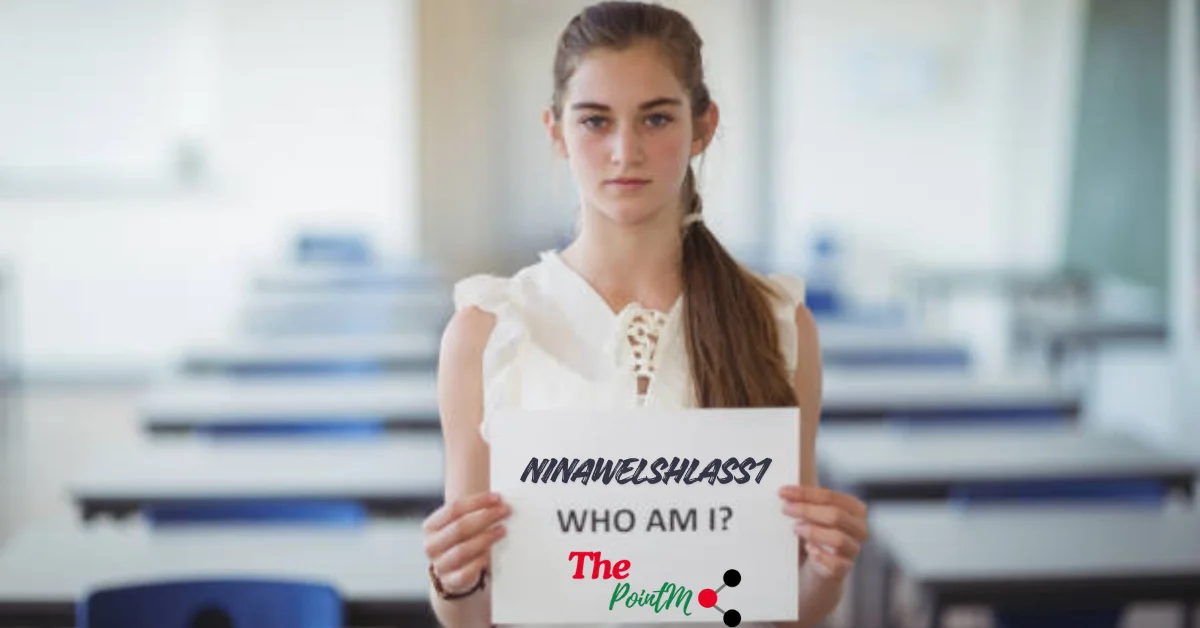
The internet is filled with mysteries, and one name that’s been stirring curiosity is ninawelshlass1. Who is she? Is she a real person or just an elaborate online persona? As we delve into this enigma, we unravel layers of intrigue surrounding her identity and the motivations behind using such a unique alias. From social media platforms to forums, the question remains: what lies beneath the surface of this intriguing username? Let’s embark on a journey to uncover the truth about ninawelshlass1 and explore why anonymity continues to captivate so many in today’s digital landscape.
The Evidence: Is there a real person behind this name?
Rumors swirl around the online persona of ninawelshlass1. Many users wonder if there’s a real individual behind this intriguing name.
Social media activity provides some clues. Posts seem to reflect personal experiences and opinions, suggesting a human touch. Yet, anonymity is a powerful shield in the digital world.
Some speculate that ninawelshlass1 could be an elaborate bot or even multiple people sharing one account. The lack of consistent interaction raises questions about authenticity.
Digital footprints can reveal much, but in this case, they lead to more mystery than clarity. Followers engage with content that feels genuine yet elusive at the same time.
As we dig deeper into this enigma, it becomes clear that definitive proof remains frustratingly out of reach. The identity behind ninawelshlass1 continues to spark curiosity and debate among netizens everywhere.
Who is Ninawelshlass1? Uncovering her identity
Ninawelshlass1 is a captivating figure shrouded in mystery. This online persona has garnered attention across various platforms, sparking curiosity and speculation about her true identity.
Upon digging deeper into the digital landscape, hints emerge. Her posts reflect insights that resonate with many—art, culture, or perhaps personal experiences. Yet, the enigma remains intact.
Many users wonder if this name belongs to a singular individual or represents a collective voice. The ambiguity adds layers to her presence online.
As people delve into her content, they’re drawn not just by what she shares but by the allure of discovering who she might be behind the screen.
Engagement flourishes as followers exchange theories and anecdotes related to ninawelshlass1’s contributions. Each interaction deepens the intrigue surrounding this elusive character in today’s vast internet ecosystem.
The potential motives for using an online pseudonym
People choose online pseudonyms for various reasons. One common motive is privacy. In a digital age, confidentiality is becoming increasingly valuable. An alias can shield personal information from prying eyes.
Another reason could be the desire to express creativity. A unique name allows individuals to craft a distinct identity that reflects their personality or interests. This creative outlet often fosters community and connection with like-minded individuals.
Some may adopt an online persona as a means of protection from judgment or criticism. By hiding behind a pseudonym, they feel free to share their thoughts without fear of backlash.
Additionally, many influencers and content creators opt for aliases simply because it’s memorable. A catchy name can enhance brand recognition and make it easier for followers to engage with their content regularly.
Experimenting with different identities online offers people an opportunity for self-exploration in ways they might not pursue in real life.
Famous people known for using aliases
Throughout history, many famous individuals have chosen to adopt aliases for various reasons. These names often serve as a mask, allowing them creative freedom or protection from public scrutiny.
One notable figure is Mark Twain. This beloved American author was born Samuel Clemens but chose a pen name that would become iconic in literature. His alias allowed him to express his satirical views on society without personal repercussions.
Another example is the enigmatic musician Prince. He famously changed his name to an unpronounceable symbol during a dispute with his record label, reclaiming his identity and artistry on his own terms.
Similarly, J.K. Rowling published her first Harry Potter book under the pseudonym Robert Galbraith to explore adult fiction without preconceived expectations. Her choice speaks volumes about how aliases can shape perception and reception in the literary world.
These examples highlight how aliases can empower artists to craft their narratives while navigating complex industry landscapes.
The impact of internet anonymity on society
Internet anonymity has reshaped how people interact online. It creates a space where individuals can express themselves freely, often without fear of judgment. This freedom can lead to authentic conversations and diverse viewpoints.
However, it also opens doors for negativity. Trolls and bullies thrive in the shadows, using anonymity as a shield against consequences. The result is an environment where harmful behavior can flourish unchecked.
Moreover, this duality impacts trust in digital spaces. Users may become skeptical of information shared online when they can’t verify identities behind usernames or avatars.
The evolution of social media platforms adds another layer to this phenomenon. As more users embrace pseudonyms or remain faceless, distinguishing between genuine voices and malicious actors becomes increasingly challenging.
Internet anonymity continues to shape our collective experience—both positively and negatively—affecting how we communicate and connect in the modern world.
Conclusion: The truth behind ninawelshlass1 and the power of online personas
The truth behind ninawelshlass1 continues to elude many. This enigmatic figure has sparked curiosity and speculation across the internet. The absence of concrete evidence leaves room for imagination, making her both a mystery and an icon in the realm of online personas.
Using a pseudonym can stem from various motives—privacy, creativity, or even escapism. Many famous individuals have chosen aliases to navigate their public lives while retaining some semblance of anonymity. It’s fascinating how these choices shape our perception of identity in the digital age.
Internet anonymity influences society on multiple levels. It allows for freedom of expression but also invites challenges such as misinformation and negativity. Understanding this duality is crucial as we traverse through our interactions online.
The allure surrounding ninawelshlass1 highlights a broader discussion about who we are behind screens. Whether real or fictional, characters like her remind us that every persona tells a story worth exploring—a narrative shaped by choice, context, and perhaps a little bit of mystery along the way.